Urinary tract infection
back to main page
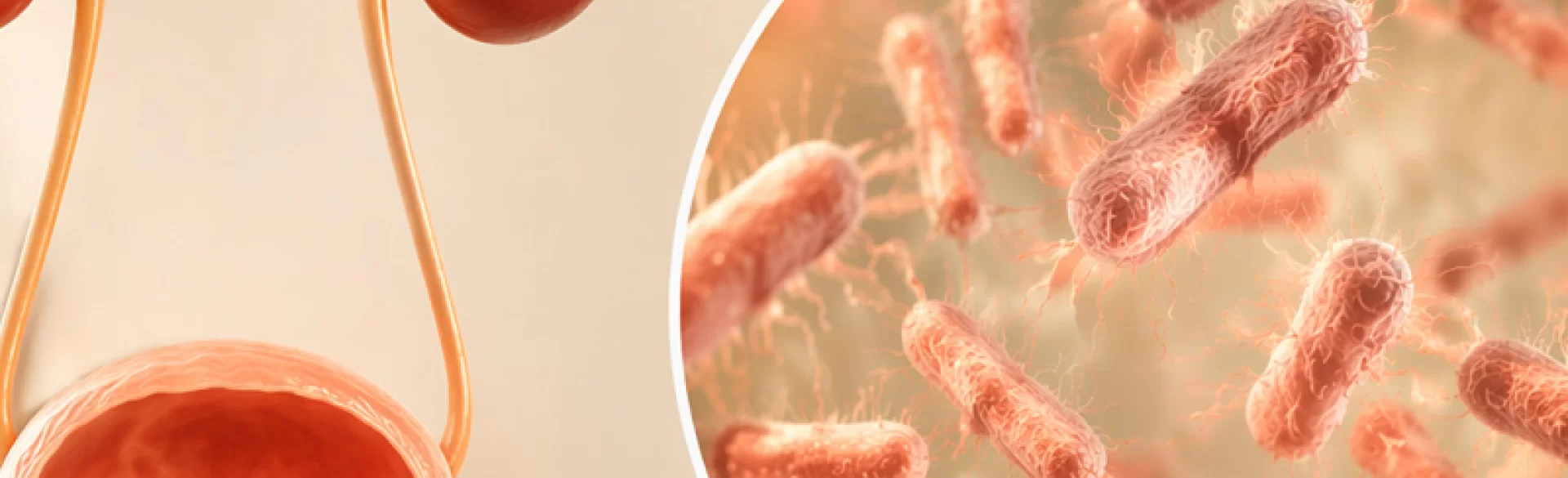
Urinary tract infection (UTI) is one of the most common bacterial infections in humans, involving structures of the urinary system – from the urethra, through the bladder, to the ureters and kidneys. Depending on the location, infections of the lower urinary tract (e.g., cystitis) and the upper urinary tract (e.g., pyelonephritis) are distinguished. This condition particularly affects women, which is due to anatomical factors, but it can also occur in men and children. Infections can be acute or chronic in nature, and their course ranges from mild to potentially serious conditions requiring urgent medical intervention.
Urinary tract infection – causes
The most common cause of urinary tract infections is intestinal bacteria, primarily Escherichia coli, which enter the urinary tract by an ascending route through the urethra. Much less frequently the infection spreads hematogenously or via the lymphatic system.
The most important predisposing factors include:
- anatomical conditions – the short urethra in women promotes easier entry of microorganisms,
- urine outflow disorders – e.g. urinary tract stones, prostate enlargement, strictures of the urinary tract,
- urine retention in the bladder – often associated with detrusor muscle dysfunction or neurological disorders,
- sexual activity – increases the risk of transferring bacteria to the urethra,
- hormonal changes – especially during menopause (a decrease in estrogens affects the vaginal microbiota),
- pregnancy – promotes urinary stasis and dilation of the urinary tract,
- bladder catheterization – increases the risk of hospital-acquired infections,
- reduced immunity – e.g. in diabetes or chronic diseases.
Disruption of the microbiological balance in the intimate area also plays an important role. The physiological bacterial flora constitutes a natural protective barrier, and its disturbance may facilitate colonization by pathogens.
Urinary tract infection – symptoms
The clinical presentation of a urinary tract infection depends on the location of the inflammatory process and its severity. In lower urinary tract infections, symptoms from the bladder and urethra predominate, whereas involvement of the kidneys is associated with systemic symptoms.
The most common symptoms of UTIs include:
- frequency of urination – increased frequency of urination,
- urgency – a strong, difficult-to-suppress need to urinate,
- dysuria – pain and burning during urination,
- lower abdominal pain,
- a feeling of incomplete bladder emptying,
- change in the appearance of urine – cloudiness, unpleasant odor, presence of blood (hematuria).
In upper urinary tract infections, additional symptoms may include:
- fever and chills,
- flank pain (kidney pain),
- nausea and vomiting,
- generalized weakness.
In older adults symptoms may be atypical and include altered mental status, worsening cognitive function, or a sudden decline in overall condition. In contrast, infections in children often present with few or nonspecific symptoms.
Urinary tract infection – treatment
Treatment of urinary tract infections depends on the severity of the infection, its location and risk factors for complications. The basis of therapy is antibacterial treatment, however its selection should be based on the clinical picture and – as far as possible – the result of a bacteriological urine test (culture).
Basic treatment methods:
- antibiotic therapy – the most commonly used form of treatment, chosen empirically or targeted,
- analgesics and antispasmodics – alleviate accompanying symptoms,
- increased fluid intake – helps mechanically flush bacteria from the urinary tract,
- supportive preparations – e.g. D-mannose, cranberry extracts (with anti-adhesive action against bacteria).
In the case of complicated infections (e.g. in pregnant women, patients with diabetes or anatomical abnormalities) hospital treatment and intravenous administration of antibiotics may be necessary.
Supportive therapy is also increasingly important:
- urogynecological physiotherapy – improvement of bladder function and pelvic floor muscles,
- treatment of pelvic organ support disorders – if the cause is organ prolapse,
- therapy for voiding disorders – bladder training.
In chronic or recurrent infections, identifying and eliminating the cause is crucial, not merely symptomatic treatment.
Urinary tract infection – how to prevent it
Prevention of urinary tract infections relies on eliminating risk factors and supporting the body's natural defense mechanisms. Preventive measures are particularly important for individuals prone to recurrent infections.
Key principles of prevention:
- adequate hydration – regular fluid intake helps flush out bacteria,
- regular bladder emptying – avoiding prolonged urine retention,
- proper intimate hygiene – while preserving the physiological microbiological balance,
- urinating after sexual intercourse – reduces the risk of bacterial colonization,
- wearing appropriate underwear – breathable, made of natural materials,
- avoiding irritating hygiene products,
- supporting the vaginal microbiota – for example, by using vaginal probiotics.
In postmenopausal women, local use of estrogens may be beneficial, as they improve the condition of the vaginal epithelium and increase its resistance to infections.
Importance of specialist preventive measures
In patients with recurrent urinary tract infections, measures increasingly focus on addressing the underlying cause of the problem, such as:
- therapy for functional bladder disorders,
- treatment of pelvic organ prolapse,
- supporting regeneration of tissues in the intimate area (e.g., through technologies that stimulate mucosal remodeling),
- individually tailored urogynecological physiotherapy.
Such an approach helps reduce the number of recurrences and decrease the need for antibiotics, which is particularly important in the context of increasing antibiotic resistance.

