Sports massage - sports physiotherapy and recovery for active people
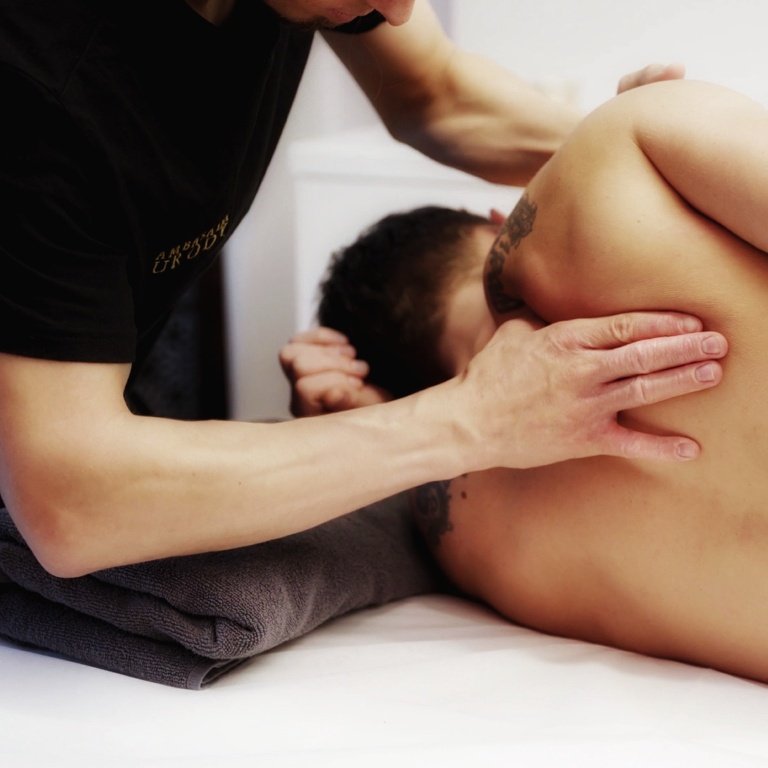
Table of contents
- What happens during physical exertion?
- What does a sports massage do?
- Pre-competition, training and maintenance massage in the training cycle
- Post-exercise massage and removal of metabolic waste products
- Injury prevention and treatment of micro-injuries
- Trigger point therapy and fascial work
- Lymphatic drainage and detoxification of the body
- Differences between sports massage and classic massage
- Reduction of cortisol levels and stimulation of the nervous system
- Post-procedure care and the need for hydration
- Plan your recovery
- FAQ: frequently asked questions about sports massage
During training, muscles contract and relax, and the circulatory and respiratory systems work harder. This brings tangible benefits - muscles become stronger, fitness improves, bone density and overall health improve. However, intense exertion also causes micro-injuries in muscle tissues. This is a natural part of the adaptation process, but only when the body has time and the conditions for proper regeneration.
When regeneration is insufficient, micro-injuries accumulate and tissue elasticity decreases. Fascia - the connective tissue network surrounding muscles and organs - loses its ability to glide and its elasticity. The result is poorer blood flow, reduced oxygenation of tissues and accumulation of metabolic waste products in cells. A chronic condition leads to pain, overuse and injuries.
Sport massage is always individually tailored to the patient's needs. It helps relax tight muscles and increase joint mobility, which has a very positive effect on the course of the training itself. Training sessions become more efficient, and athletic performance improves.
It is important to entrust your muscles to the hands of experienced specialists. If you don't know which type of massage will be right for you, our physiotherapist will help choose the method during your first visit.
Benefits of regular sports massage:
- Muscle relaxation - elimination of tension and trigger points in overloaded areas
- Improved circulation - better oxygenation of tissues and transport of nutrients to the muscles
- Increased range of motion - improved flexibility and joint mobility
- Reduction of muscle pain - alleviation of soreness and overload after intense exertion
- Injury prevention - preparing the musculoskeletal system for subsequent training sessions
Sports massage is not a single fixed procedure - it is an entire support system tailored to the training phase. Pay attention to the differences between the various types, arranged in the logical order of the training cycle:
Types of massage in the training cycle:
- Pre-competition massage - short, dynamic, performed immediately before effort. It complements the warm-up, stimulates the nervous system and reduces the risk of injury.
- Training massage and conditioning massage - used regularly during the season. They improve conditioning, speed up the body's adaptation and systematically relieve tension.
- Post-exercise massage (regeneration-stimulating massage) - performed after intense training or competition. It speeds up the removal of metabolites and reduces tension.
- Maintenance massage - used in the off-season. It maintains fitness, protects against tissue degeneration and ensures continuity of preparation for exertion.
After intense training, metabolic waste products accumulate in the muscles, including lactic acid. It is largely responsible for typical muscle soreness, i.e., DOMS — delayed onset muscle soreness. Post-exercise massage speeds up the removal of these metabolites, supports circulation, and facilitates the transport of nutrients to the regenerating tissues.
However, remember one important rule: regenerative massage after intense exertion is best performed 1.5 to 2 hours after finishing the workout, when the body has cooled down a bit. A treatment that is too early can be uncomfortable and less effective. After an intense sports massage it is also recommended to avoid heavy physical exertion for about 24 hours — this is the time during which tissues regenerate.
Regular sports massage is one of the most effective ways to prevent injuries. It increases tissue elasticity and range of motion, which minimizes the risk of strains and overloads. Muscles and ligaments that are regularly worked on manually retain better pliability and resistance to sudden loads.
Microtraumas — small damages to muscle fibers — are an inevitable effect of intensive training. Massage supports their faster healing, preventing them from developing into serious injuries. Moreover, in justified cases, sports massage can partially replace training during the period of sports rehabilitation, maintaining blood flow and tissue conditioning without loading the injured area. However, make sure that such a decision is consulted with a physiotherapist.
Regular sports massage is one of the most effective methods for injury prevention. It increases tissue elasticity and range of motion, which minimizes the risk of strains and overloads. Muscles and ligaments that are regularly worked on manually retain better pliability and resistance to sudden loads.
Microinjuries — small damages to muscle fibers — are an inevitable effect of intense training. Massage aids their faster healing, preventing them from developing into serious injuries. Moreover, in justified cases sports massage can partially replace training during sports rehabilitation, maintaining blood flow and tissue conditioning without loading the injured area. However, make sure that such a decision is discussed with a physiotherapist.
Sports massage stimulates the lymphatic system, which is responsible for transporting metabolites and toxins from the tissues. After intense exertion, lymphatic drainage accelerates the removal of unnecessary metabolic waste products, supporting homeostasis and the body's detoxification. Remember that after the treatment proper hydration is necessary—at least 1.5–2 liters of water—to flush out the released toxins. Complementing the massage can be pressotherapy, which additionally improves circulation and the removal of fluids from the tissues.
Therapeutic massage and classic massage are associated with relaxation. Sports massage has different priorities - its goal is recovery, endurance and preparation for exertion. This results in firmer pressure and a focus on specific, overloaded muscle groups, rather than even work across the whole body. Manual therapy here includes techniques such as kneading, rubbing and tapping, which reach the deeper layers of the muscles. Therapeutic pain is normal - if you experience excessive discomfort, always inform the therapist.
Intense physical exertion raises levels of cortisol — the stress hormone. Chronically elevated cortisol inhibits recovery and can lead to overtraining. Sports massage helps lower it, supporting the nervous system in shifting from a state of arousal to one of repair. The treatment stimulates the release of endorphins, which act as pain relievers and improve well-being — this is important psychological support, especially before competitions, when pre-start anxiety robs concentration and self-confidence.
After a sports massage, the body needs time for full regeneration. For several hours you may feel a slight "breakdown" - this is a natural symptom of the repair process, not a reason for concern.
How to take care of yourself after the treatment:
- Hydration - drink at least 1.5-2 liters of water to support detoxification and flush out metabolites released during the massage
- Rest - avoid heavy training for 24 hours after an intense treatment
- Light activity - a gentle walk or light stretching is the maximum activity recommended immediately after a massage
- Body observation - the feeling of "breakdown" is natural - biological regeneration is taking place at this time
Sports massage is an investment in better performance, healthy muscles, and long-lasting physical activity. Regular treatments not only help you recover faster, but also allow you to train more consciously and safely. In our clinic, physiotherapists create an individualized recovery plan - tailored to your training schedule and your body's current needs.
Does a sports massage hurt?
Sports massage is associated with the so-called "good pain" — the sensation experienced when working on tight, deep structures. It is a sign that the therapist is reaching overloaded areas. If the pain is too strong, inform the therapist — the pressure can be adjusted.
How often should you get a sports massage?
With regular exercise (3–5 times a week), a massage is recommended once a week or every two weeks. During periods of intensive competition preparation — even more often, combining a pre-event massage with a post-exercise massage.
When should you get a massage after a workout?
A post-workout massage is best performed 1.5 to 2 hours after finishing the workout, when the body has cooled down. A treatment done too early may be less effective and uncomfortable.
Can a sports massage replace a warm-up?
Pre-start massage is a complement to the warm-up, not its replacement. It prepares the muscles and the nervous system, but dynamic warm-up exercises are still necessary.
How to prepare for a sports massage?
Come in comfortable clothing or change on site. Inform the therapist about current ailments and planned workouts. After the treatment, plan time to rest and remember to stay hydrated.
We recommend
Regeneration, Preparation for Effort, and Injury Prevention
Sports massage is an indispensable element of biological regeneration and an integral part of sports preparation. Used before, during, and after physical exertion, it helps counteract the effects of intense training loads, supports body regeneration, and minimizes the risk of injuries. Its main goal is to maintain optimal physical form, improve muscle performance, and accelerate regenerative processes after intense exertion. This massage can be used as a supplement to warm-up, preparing the locomotor system for intense effort and reducing the risk of injuries. After training, it acts as a relaxant, reducing muscle tension, improving circulation, and supporting faster tissue rebuilding.
The treatments are performed by qualified physiotherapists and sports massage therapists. In our clinic, we use manual techniques such as kneading, rubbing, and tapping, which act on the deep layers of muscles and soft tissue therapy. Kinesiotaping and pressotherapy complement the biological regeneration treatments, tailored to the needs of each patient.
Effects of Sports Massage:
-
Preparation of muscles for effort - increases muscle flexibility and improves their readiness for intense load, reducing the risk of injury.
-
Acceleration of post-training recovery - improves blood circulation and supports the transport of nutrients to the muscles, accelerating their reconstruction after exertion.
-
Reduction of tension and muscle pain - helps eliminate lactic acid and alleviates overload resulting from intense training.
-
Improvement of blood and lymph circulation - supports better oxygenation of muscles and removal of unnecessary metabolic products, which affects the body's performance.
-
Minimizing the risk of injury - by relaxing and preparing the locomotor system, it reduces the susceptibility to injuries, tears, and overloads.
-
Increase in mobility and range of motion - influences the improvement of flexibility and efficiency of muscles and joints, which is crucial for achieving better sports results.
-
Support for the nervous system - stimulates the body to action or supports relaxation, depending on the training phase and type of techniques applied.
Sports massage is an integral element of caring for physical fitness both for professional athletes and physically active individuals who want to optimize their training and care for the health of their muscles and joints.

