Biohacking
back to main page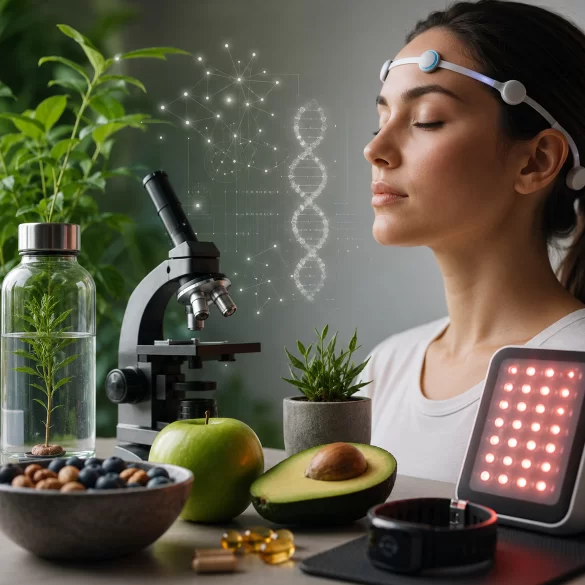
Biohacking is an interdisciplinary approach aimed at the conscious optimization of the body's functioning through modifications of lifestyle, environment, nutrition, physical activity, sleep, and biological parameters. The term encompasses both actions based on lifestyle medicine and human physiology, as well as more advanced strategies utilizing body-monitoring technologies, supplementation, metabolic interventions, or regenerative procedures. Modern biohacking focuses primarily on improving physical and mental performance, increasing resilience to stress, slowing down aging processes, and extending the period of life spent in health, referred to as healthspan. The essence of biohacking remains the personalization of actions based on biological data, laboratory test results, and current scientific knowledge.
Biohacking – what is it?
The concept of biohacking originates from the combination of biology, technology, and the idea of self-„programming” one's own organism. In practice, it means implementing conscious strategies aimed at improving the functioning of the body and brain by influencing metabolic, hormonal, neurological, and immunological processes.
Biohacking is not a single specific therapeutic method. It is rather a collection of practices including:
- optimization of sleep and circadian rhythm,
- control of nutrition and metabolism,
- physical activity,
- stress management,
- exposure to cold and heat,
- monitoring of health parameters,
- body regeneration,
- supporting cognitive functions.
The contemporary development of biohacking results from progress in the science of aging, preventive medicine, nutrigenomics, endocrinology, and wearable technologies — smart devices analyzing body parameters in real time.
An important assumption of biohacking remains individualization. Strategies effective for one person may remain ineffective or inadvisable for another due to genetic, metabolic, hormonal, or environmental differences.
Biohacking – types and areas of application
Biohacking encompasses many areas of the body's functioning. Several main categories are most often distinguished.
Metabolic biohacking
Focuses on improving the body's energy management. It includes, among others:
- glycemic control,
- intermittent fasting,
- ketogenic diet,
- optimization of the gut microbiota,
- supporting mitochondrial functions.
The goal remains to increase the efficiency of cellular energy production and limit chronic inflammation.
Neurohacking
Concerns the improvement of cognitive functions, concentration, memory, and mental resilience. It utilizes techniques such as:
- breathing training,
- meditation,
- neurofeedback,
- digital hygiene,
- supplementation supporting neurotransmitters.
Increasing importance is also attributed to the impact of sleep quality on brain neuroplasticity.
Regenerative biohacking
Focuses on accelerating the body's repair processes and counteracting the effects of oxidative stress. It includes, among others:
- cryotherapy,
- sauna therapy,
- LED light therapies,
- hyperbaric chambers,
- techniques supporting the lymphatic system and microcirculation.
Aesthetic biohacking
In aesthetic medicine, biohacking is associated with procedures improving skin quality and supporting regenerative processes. Treatments stimulating fibroblasts, improving the functioning of the extracellular matrix, and limiting chronic skin inflammation are of particular importance.
Procedures used in this area include, among others:
- tissue biostimulators,
- mesotherapy,
- fractional laser therapy,
- exosome therapies,
- microneedle radiofrequency,
- treatments supporting microcirculation and skin metabolism.
Biohacking – popular strategies based on research
Modern biohacking is increasingly based on strategies confirmed by clinical research and human physiology.
Sleep optimization
Sleep remains one of the most important factors influencing body regeneration, hormone management, and the functioning of the nervous system. Sleep deficiency increases the risk of:
- insulin resistance,
- obesity,
- depression,
- cognitive disorders,
- cardiovascular diseases.
Biohacking strategies include, among others:
- circadian rhythm regulation,
- limiting blue light exposure in the evening,
- room temperature control,
- monitoring sleep quality with electronic devices.
Exposure to cold and heat
Research indicates that controlled cold exposure can activate brown adipose tissue, improve insulin sensitivity, and increase the body's resistance to physiological stress. In turn, regular sauna use is associated with a beneficial effect on the cardiovascular system and a reduction in inflammatory markers.
Physical activity as a longevity tool
One of the best-documented “biohacks” remains regular physical exertion. Of particular importance are:
- strength training,
- interval training,
- aerobic activity,
- exercises improving mobility and balance.
Regular movement has a beneficial effect on mitochondrial function, glucose management, inflammation levels, and hormonal profile.
Biomarker monitoring
Biological data analysis is gaining increasing popularity for personalizing health actions. This includes:
- glycemia assessment,
- heart rate variability (HRV) analysis,
- sleep monitoring,
- hormonal tests,
- assessment of inflammation and oxidative stress markers.
However, it should be emphasized that excessive focus on biological parameters can lead to chronic stress and obsessive behaviors.
Biohacking – connection with longevity medicine
Biohacking remains closely linked to the developing longevity medicine, which aims to extend healthy life and delay the processes of biological aging.
Modern longevity medicine focuses on:
- reduction of chronic inflammation (inflammaging),
- protection of mitochondria,
- maintenance of proper muscle mass,
- improvement of metabolic functions,
- preservation of cognitive performance,
- tissue regeneration.
Biohacking constitutes the practical dimension of these principles by implementing daily strategies that support healthy aging.
Biohacking and longevity aesthetic medicine
In aesthetic medicine, the longevity concept encompasses not only the improvement of appearance but also supporting the biological quality of the skin and slowing down its aging processes at the cellular level. Skin aging processes are closely related to chronic oxidative stress, collagen degradation, microcirculation disorders, decreased fibroblast activity, and increased chronic inflammation.
Modern aesthetic medicine increasingly utilizes biohacking strategies that support the body’s natural regenerative mechanisms. The goal of therapy remains not only to reduce the symptoms of aging but also to improve tissue function, skin quality, and its repair capabilities.
In this context, the following are applied:
- collagen biostimulators that stimulate fibroblasts to produce new collagen fibers,
- regenerative therapies using platelet-rich plasma, polynucleotides, or exosomes,
- treatments improving microcirculation and tissue oxygenation,
- technologies stimulating the processes of neocollagenesis and cellular renewal, such as microneedling radiofrequency or fractional laser therapy,
- procedures supporting hydrolipid barrier functions and limiting skin oxidative stress.
An increasing role is also played by combining aesthetic treatments with elements of functional medicine and health prevention. Sleep quality, an anti-inflammatory diet, physical activity, stress levels, and hormonal balance have a direct impact on the rate of skin aging and the effectiveness of regenerative therapies. Consequently, longevity aesthetic medicine focuses not only on the visual effect but also on the long-term support of skin health and functionality.
Biohacking – safety and limitations
Despite the growing popularity of biohacking, many methods remain poorly researched or are used incorrectly. Particular caution is required for:
- aggressive dietary restrictions,
- excessive supplementation,
- experimental hormonal therapies,
- independent use of nootropic substances,
- uncontrolled detoxification protocols.
Biohacking does not replace medical diagnostics or the treatment of diseases. Actions interfering with hormonal balance, metabolism, or the nervous system require medical supervision and must be based on current scientific knowledge.
A significant limitation also remains the phenomenon of biohacking commercialization. Many products and procedures promoted as „revolutionary” lack reliable clinical studies confirming their effectiveness.
The greatest clinical value is held by strategies related to:
- sleep,
- physical activity,
- anti-inflammatory diet,
- stress reduction,
- metabolic prophylaxis,
- organism regeneration.
It is these elements that remain the best-documented pillars of healthy aging and longevity.
