Cosmetology consultation
back to main page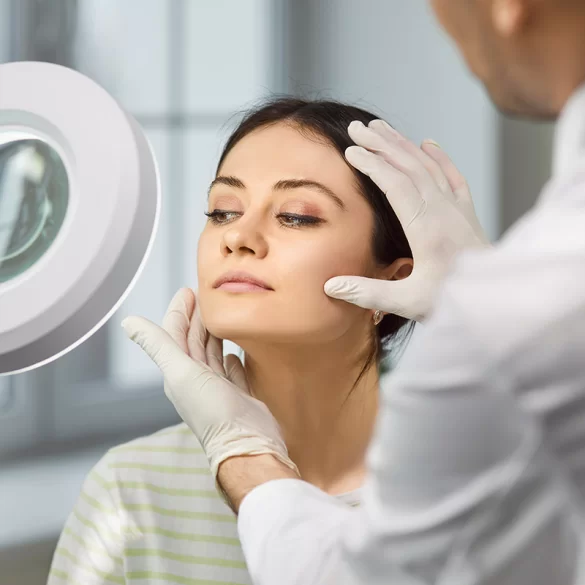
A cosmetology consultation is a specialized assessment of the skin conducted by a cosmetologist to identify dermatological problems, determine skin type and condition, and select appropriate care and treatment procedures. It is the first and key stage in planning cosmetology therapy and aesthetic medicine. During the consultation, among other things, the skin’s structure, level of hydration, sebum production, and the presence of vascular changes, hyperpigmentation, wrinkles, or imperfections are analyzed. The interview also covers lifestyle, home care, and the history of illnesses and previous treatments. This makes it possible to develop an individualized plan of action that includes both in-clinic procedures and proper home care.
Cosmetology consultation – what it looks like
A cosmetology consultation is an organized diagnostic process whose aim is a detailed assessment of the skin’s condition and qualification for an appropriate cosmetology or aesthetic therapy. In professional clinical practice, a consultation precedes the performance of most procedures, because it allows selecting procedures appropriate to the individual needs of the skin and excluding potential contraindications.
The first stage of the consultation is a detailed cosmetology and health interview. The specialist collects information concerning, among others:
- current skin problems (e.g., acne, hyperpigmentation, erythema, excessive dryness or oiliness),
- current home skincare routine,
- past dermatological and systemic diseases,
- medications and supplements being taken,
- previous cosmetology and aesthetic medicine procedures,
- lifestyle, diet, and exposure to UV radiation.
The interview is very important, because many systemic factors – such as hormonal disorders, chronic stress, or certain medications – can significantly affect the condition of the skin.
The next stage is a direct assessment of the skin, which includes analysis of its structure, color, and any dermatological changes. The cosmetologist assesses, among others:
- skin thickness and firmness,
- level of hydration,
- activity of the sebaceous glands,
- presence of vascular changes (telangiectasia),
- hyperpigmentation and uneven pigmentation,
- post-acne or post-procedural scars,
- wrinkles and signs of aging.
In many clinics, instrumental skin diagnostics are also used, which allow a more precise determination of its physiological parameters. Such analysis may include measurement of sebum level, degree of stratum corneum hydration, skin elasticity, or assessment of pigmentary changes not visible to the naked eye.
Based on the collected information the cosmetologist develops an individualized treatment plan, which may include both in-clinic procedures and recommendations for home care. Such a plan often has a staged character and assumes gradual improvement of the skin’s condition through appropriately selected procedures.
Depending on the skin problem, these may include, among others:
- chemical peels, which support epidermal renewal and reduce hyperpigmentation,
- procedures using lasers or light-based therapies, used among others in the treatment of vascular lesions, erythema, or hyperpigmentation,
- procedures that biostimulate and regenerate the skin, which stimulate the production of collagen and elastin,
- intensive procedures that hydrate and restore the skin’s hydrolipidic barrier,
- therapies supporting the treatment of acne, post-acne scars, and signs of aging.
An important element of the consultation is also patient education regarding skin care. The cosmetologist may recommend appropriate cosmetic products, the method of their use, and changes in daily skincare habits. Proper home care is an essential complement to in-clinic therapy and significantly affects the durability of the results obtained.
In many cases the consultation concludes with the establishment of a long-term plan to improve skin quality, including a series of procedures performed at specified intervals and follow-up visits to evaluate the therapy’s effects. This makes it possible to conduct therapy in a safe, gradual manner tailored to the individual needs of the patient’s skin.
Cosmetology consultation – in person or online
A cosmetology consultation can be conducted in-office or remotely. Both approaches have their uses, but they differ in the scope of diagnostic capabilities and the accuracy of skin assessment.
In-office consultation is the most comprehensive form of skin assessment, because it allows direct examination of its structure and the performance of specialized cosmetological diagnostics. In clinical practice it typically includes:
- a detailed cosmetological and medical history,
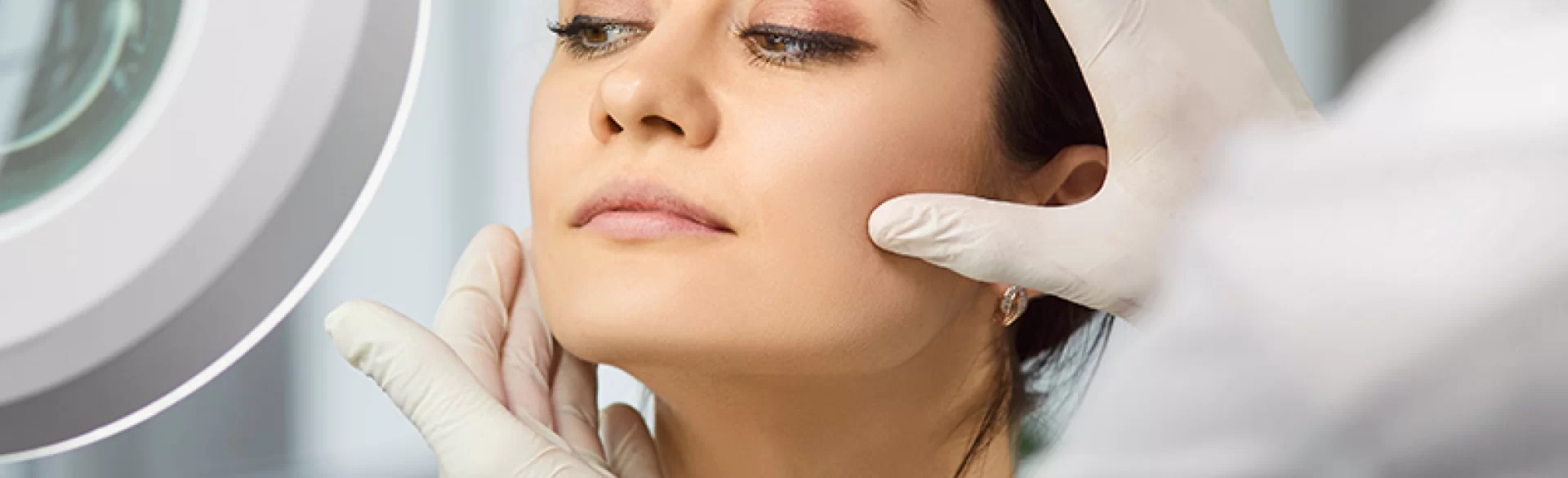
- visual assessment of the skin under magnification (e.g., using a magnifying lamp or cosmetological dermatoscopy),
- analysis of hydration level, elasticity, and sebum production,
- identification of lesions such as telangiectasias, hyperpigmentation, scars, or acne lesions,
- assessment of skin reactivity and sensitivity.
Based on this, a cosmetologist can plan a treatment that may include, among others:
- laser and light treatments (e.g., laser therapy for vascular lesions and pigmentation),
- chemical peels,
- procedures that stimulate collagen production,
- procedures to moisturize and regenerate the skin.
Conversely, an online consultation is more indicative in nature. It is mainly used for:
- initial assessment of a skin problem,
- discussion of home care,
- qualification for procedures,
- continuation of therapy or monitoring of treatment effects.
Skin assessment remotely is most often based on photographs or a video call. A limitation of this form of consultation is the inability to conduct a detailed skin examination and to perform professional instrumental diagnostics. For this reason, in the case of more complex dermatological problems or when planning aesthetic procedures, an in-office visit is recommended.
In modern cosmetology practice, both models often complement each other – an online consultation may serve as a preliminary step, while detailed diagnostics and the start of therapy take place in-office.
Cosmetology consultation – price
The price of a cosmetology consultation depends on many factors, including the scope of diagnostics, the specialist's experience, the clinic's location, and the extent of the skin analysis. In clinical practice a consultation can vary in nature – from a basic skin assessment to a comprehensive diagnostic work-up including instrumental analysis and the development of a comprehensive treatment plan.
The consultation cost is influenced primarily by:
- the scope of the cosmetology and medical history interview,
- the duration of the appointment,
- the use of diagnostic devices for skin analysis,
- the preparation of an individualized plan for procedural therapy and skincare,
- the possibility of performing the first procedure during the same visit.
In many clinics, the cosmetology consultation constitutes the first stage of planning therapy that includes procedures such as:
- skin laser therapy (e.g., reduction of discoloration, broken capillaries, or pigmentary lesions),
- medical and chemical peels,
- regenerative treatments and procedures that stimulate collagen production,
- procedures improving skin hydration and quality,
- procedures supporting the treatment of acne, scars, or signs of aging.
In some clinics, the cost of the consultation may be deducted from the price of the procedure if the patient decides to start the therapy. This solution is intended to allow thorough diagnostics and the planning of effective treatment without increasing the total cost of therapy.
It should be emphasized that a professional cosmetology consultation is not merely a brief conversation about skincare, but constitutes a key element of safely planning aesthetic procedures, helping to avoid inappropriate procedures and increasing the effectiveness of skin therapy.

