Itchy bumps on legs
back to main page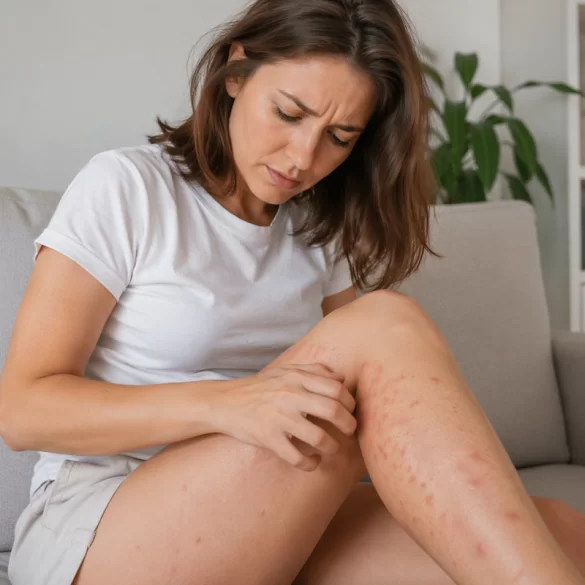
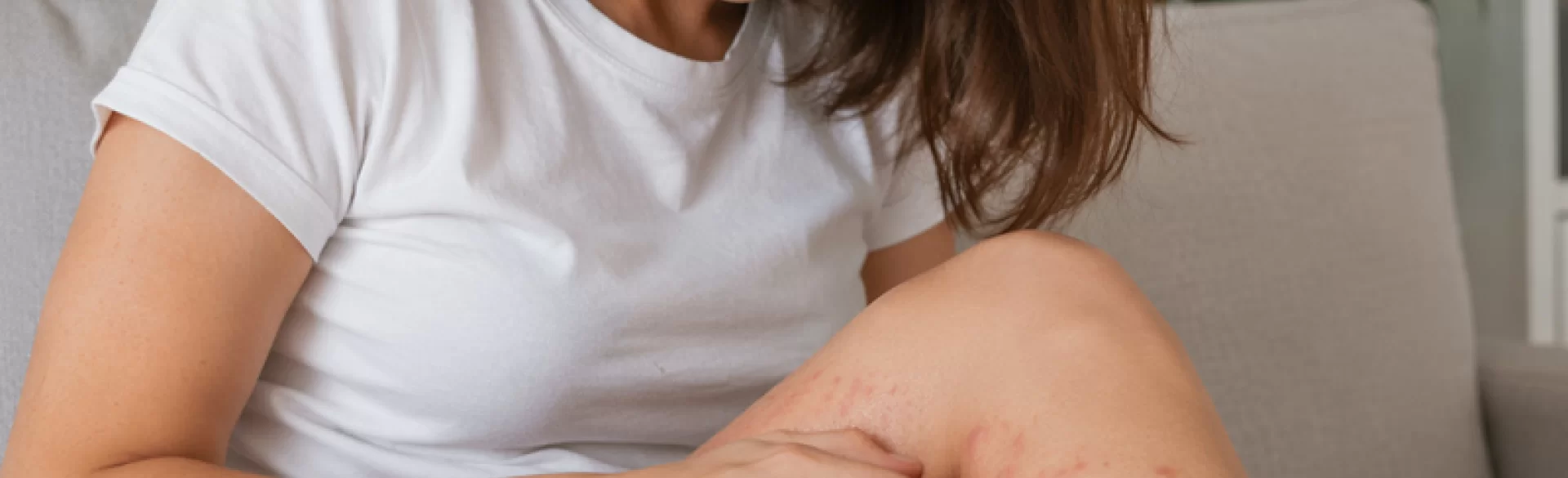
Itchy pustules on the legs are a common dermatological symptom that can result from both mild skin disorders and systemic diseases. These are skin lesions in the form of papules, vesicles, or pustules, accompanied by itching of varying intensity. The mechanism of their formation is most often associated with an inflammatory reaction, hyperreactivity of the immune system, or a disruption of the epidermal barrier. Localization on the lower limbs is of significant diagnostic importance, as it indicates, among others, environmental factors, contact factors, or circulatory disorders. Proper identification of the cause is crucial for effective treatment and prevention of recurrence.
Itchy bumps on legs – causes
The etiology of itchy pustules on the legs is multifactorial and includes dermatological, allergic, infectious, as well as systemic causes.
The most common include:
1. Inflammatory skin diseases:
- atopic dermatitis (AD),
- contact dermatitis (allergic or irritant reaction),
- urticaria,
- lichen planus.
In these cases, pruritus results from the activation of inflammatory mediators such as histamine or cytokines.
2. Skin infections:
- bacterial (e.g., folliculitis),
- viral (e.g., molluscum contagiosum),
- parasitic (e.g., scabies),
- fungal (dermatophytoses).
Lesions are often papulopustular in nature and may spread to other areas of the body.
3. Mechanical and environmental factors:
- hair removal (especially mechanical shaving),
- friction from clothing,
- excessive sweating,
- reactions to cosmetics or detergents.
This leads to skin micro-traumas and secondary inflammation.
4. Systemic disorders:
- liver and kidney diseases (metabolic pruritus),
- diabetes,
- venous circulation disorders (e.g., chronic venous insufficiency).
In such cases, skin lesions are secondary, and the dominant symptom is often generalized pruritus.
5. Insect bites:
- mosquitoes, fleas, bedbugs.
They are characterized by the sudden appearance of itchy papules, often in clusters.
Differentiation of causes requires considering the duration of symptoms, their dynamics, and triggering factors.
Itchy bumps on legs – symptoms
The clinical picture depends on the etiology, however there are a number of features common to most cases.
Basic symptoms include:
- presence of papules, pustules, or vesicles,
- intense itching (often worsening in the evening or at night),
- skin redness,
- local swelling,
- burning sensation or skin tightness.
Depending on the cause, additional differentiating features may occur:
In infections:
- presence of purulent discharge,
- tenderness of lesions,
- spreading of inflammatory foci.
In allergic diseases:
- symmetrical distribution of lesions,
- coexistence of other allergy symptoms (e.g. hay fever, asthma).
In scabies:
- characteristic excoriations (skin damage due to scratching),
- presence of scabies burrows,
- intensified nocturnal itching.
In circulatory disorders:
- chronic lesions,
- skin discoloration,
- concomitant edema of the lower limbs.
Chronic scratching leads to secondary complications, such as:
- bacterial superinfections,
- thickening of the skin (lichenification),
- post-inflammatory hyperpigmentation.
Accurate analysis of the morphology of lesions and their distribution is the basis of differential diagnosis.
Itchy bumps on legs – treatment
Therapeutic management should be causal rather than purely symptomatic. Identifying the source of the problem and implementing appropriate dermatological or systemic treatment is crucial.
1. Topical treatment:
- glucocorticosteroids (anti-inflammatory and antipruritic effect),
- calcineurin inhibitors (e.g., tacrolimus),
- antiseptic and antibiotic preparations,
- emollients restoring the skin's hydrolipid barrier.
2. Systemic treatment:
- antihistamines (itch reduction),
- antibiotics (in bacterial infections),
- antiparasitic drugs (e.g., in scabies),
- treatment of underlying diseases (e.g., stabilizing diabetes).
3. Care management:
- avoiding irritants,
- using mild cleansing agents,
- regular skin moisturizing,
- refraining from aggressive hair removal during flare-ups.
4. Modern methods supporting therapy:
In clinical practice, aesthetic medicine and procedural dermatology procedures are increasingly used to support skin regeneration and reduce inflammation:
- needle mesotherapy – improves skin hydration, regeneration, and microcirculation,
- platelet-rich plasma (PRP) – has anti-inflammatory effects and stimulates repair processes,
- non-ablative laser therapy – reduces inflammation and improves skin structure,
- medical peels – regulate epidermal keratinization and have antibacterial properties,
- LED light therapy – exhibits anti-inflammatory and antibacterial effects.
The choice of method depends on the cause of the lesions, their severity, and the patient's skin condition.
Prognosis is usually good, provided that proper diagnostics and consistent treatment are performed. In chronic cases, controlling trigger factors and systematic skin care are of key importance.

