Purple pimples on the buttocks
back to main page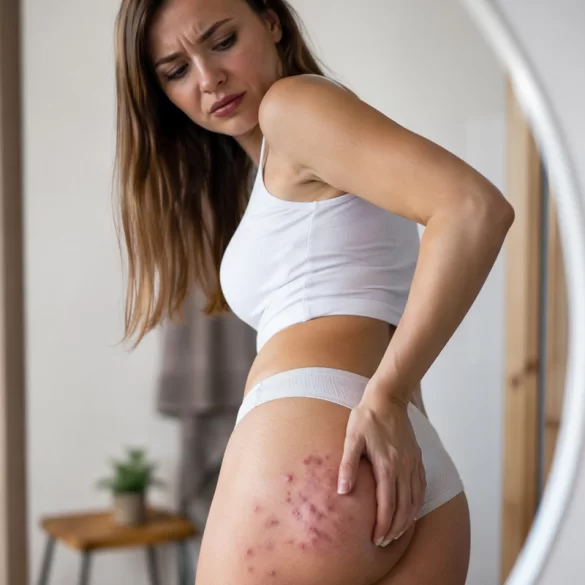

Purple pustules on the buttocks constitute a non-specific dermatological symptom that may have various underlying causes – from inflammatory changes of the hair follicles, through vascular disorders, to chronic dermatoses of an inflammatory or autoimmune nature. The purple coloration of the lesion most often results from the presence of extravasated blood, microcirculation disorders, or chronic inflammation leading to capillary damage. These lesions may take the form of papules, pustules, nodules, or inflammatory infiltrates and often coexist with pain, itching, or a tendency for post-inflammatory hyperpigmentation. Diagnostics require differentiation from infectious and inflammatory diseases, as well as vascular lesions.
Purple bumps on the buttocks – causes
The etiopathogenesis of purple skin lesions within the buttocks is complex and involves both local and systemic factors. In clinical practice, the following are most commonly observed:
1. Folliculitis (folliculitis)
- bacterial infection (most commonly Staphylococcus aureus),
- mechanical irritation (friction, hair removal),
- skin occlusion (tight clothing, lack of ventilation).
In a chronic course, bluish-purple discoloration of the lesions may occur.
2. Acne conglobata and hidradenitis suppurativa (hidradenitis suppurativa)
- chronic inflammatory disease of the folliculo-apocrine units,
- presence of painful, deep nodules and abscesses,
- tendency for discoloration and scarring.
3. Microcirculation disorders and vascular changes
- venous stasis and tissue hypoxia,
- blood extravasation leading to purple discoloration,
- tendency for the formation of vascular spots and papules.
4. Inflammatory and autoimmune dermatoses
- lichen planus (lesions with a characteristic bluish-purple hue),
- erythema nodosum (painful, deep inflammatory infiltrates),
- vasculitis (vasculitis).
5. Predisposing factors
- hyperhidrosis and a moist skin environment,
- obesity and increased skin friction,
- hormonal disorders,
- insulin resistance and chronic systemic inflammation.
It is worth emphasizing that the purple discoloration of the lesions suggests a chronic process or deeper involvement of skin structures, which requires more advanced diagnostics.
Purple bumps on the buttocks – treatment
Therapeutic management should be directed at the cause of the lesions and their severity. In clinical practice, a multidirectional treatment is used.
1. Pharmacological treatment
- topical and systemic antibiotics (in bacterial infections),
- retinoids (normalization of keratinization and sebaceous gland function),
- glucocorticosteroids (in inflammatory dermatoses),
- immunomodulatory drugs (in chronic diseases, e.g., hidradenitis suppurativa).
2. Topical treatment and care
- keratolytic preparations (salicylic acid, azelaic acid),
- antiseptics,
- dermocosmetics regulating the skin microbiome.
3. Modern procedural methods
In the case of chronic, recurrent, or treatment-resistant lesions, aesthetic medicine and procedural dermatology technologies are used:
- laser therapy (e.g., non-ablative and fractional lasers) – reduction of inflammation, improvement of skin structure,
- IPL light – anti-inflammatory and antibacterial effect,
- chemical peels – regulation of keratinization and cleansing of hair follicle openings,
- LED light therapies – anti-inflammatory and regenerative effect,
- cleansing and sebo-regulating treatments (e.g., hydrogen purification, Geneo, hydradermabrasion) – improvement of skin function and reduction of the risk of recurrence.
4. Supportive management
- avoiding occlusion and overheating of the skin,
- wearing breathable clothing,
- weight reduction in case of overweight,
- control of metabolic diseases.
Prognosis depends on the cause – infectious lesions resolve relatively quickly, while chronic diseases require long-term treatment and dermatological control. Purple post-inflammatory hyperpigmentation may persist for many months and often requires brightening therapies and regenerative treatments.

