What treatments does Kim Kardashian use? What is a vampire facelift?
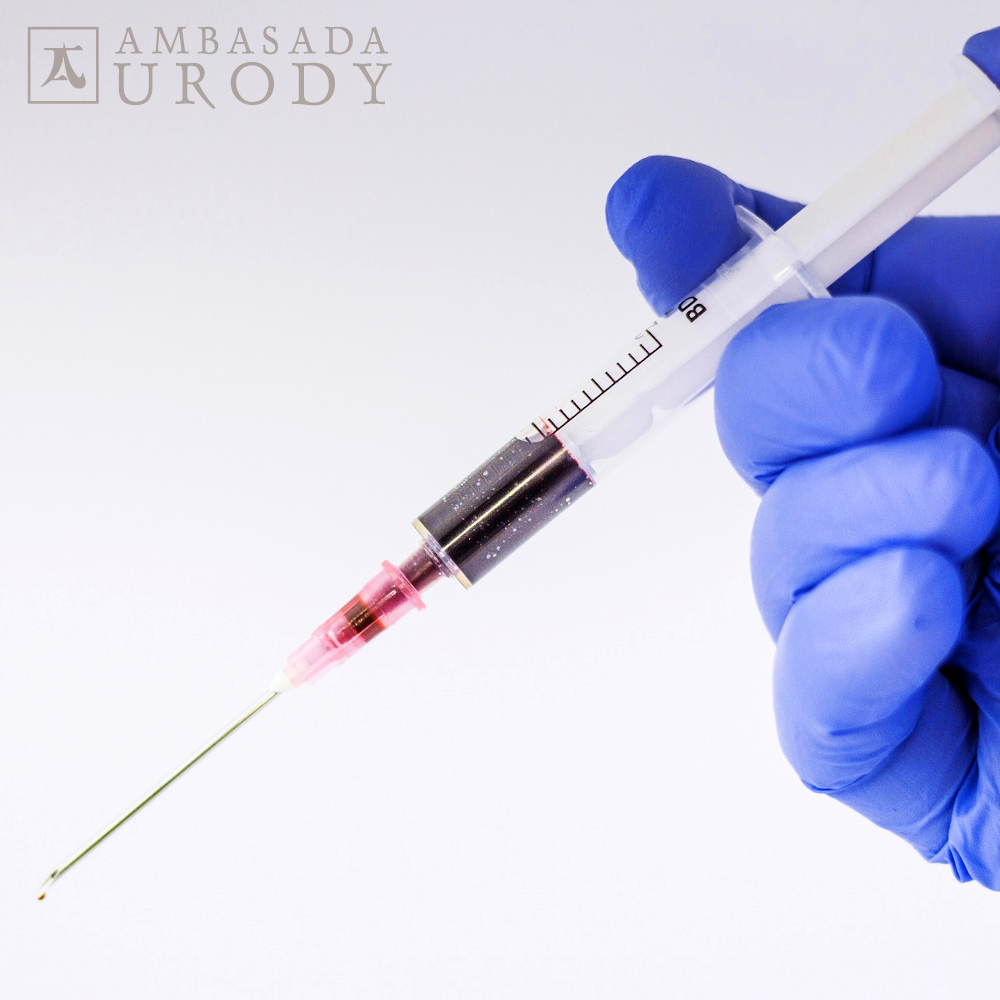
Table of contents
- What are autologous procedures?
- What does a vampire facelift involve?
- Indications for platelet-rich plasma (PRP) therapy
- Treatment areas and the process of forming new blood vessels
- Practical procedure for injections and proper body hydration.
- Normal recovery and short-term skin reactions
- Situations precluding the use of an autologous preparation
- Natural rejuvenation without artificial fillers
Autologous treatments are procedures that use material taken directly from the patient. Thanks to this approach they do not carry the risk of triggering an immune reaction - which is especially important at a time when allergies and skin hypersensitivity are becoming increasingly common. In aesthetic medicine the most commonly used autologous procedures are platelet-rich plasma, also known as the vampire facelift, and stem cell mesotherapy.
Vampire facelift, that is platelet-rich plasma therapy, is a procedure divided into several stages. In the first phase an aesthetic medicine physician draws venous blood from the patient. Then the blood is centrifuged until platelet-rich plasma is obtained with a platelet concentration from 2 to 14 times higher than in the blood. In our clinic we use the Angel System, which allows separation of plasma with a concentration of up to 14 times higher than in the patient's blood.
High platelet concentration is the key to the procedure's effectiveness. Activation of platelets releases growth factors that stimulate fibroblast proliferation and induce them to intensively produce collagen and elastin. The preparation is most often administered using the needle mesotherapy technique, which ensures even biostimulation. The effect is skin revitalization, wrinkle reduction and improved firmness.
Platelet-rich plasma therapy works for people with visible signs of aging, but also as anti-aging prevention for people aged 25–30.
Vampire lifting is a natural biorevitalization - an alternative to Botox that uses the body’s own repair mechanisms. PRP works at the cellular level - it does not mask the problem but initiates true tissue regeneration.
Indications include, among others:
- Tired, lackluster skin - loss of radiance, gray complexion
- Dark circles under the eyes - discoloration and hollows in the periorbital area
- Acne scars - irregularities and depressions from acne
- Loss of firmness and skin tension - sagging of the facial and neck skin
- Early wrinkles - fine expression and static lines
Stem cell mesotherapy versus vampire lifting
Stem cell mesotherapy is also an autologous procedure with a similar profile to vampire lifting. It consists of analogous stages, but the resulting preparation concentrates not platelets, but stem cells.
Our doctors at Ambasada Urody recommend the CGF Harmony treatment, which allows the creation of a preparation with CD34+ stem cells and concentrated growth factors. Stem cells administered to the skin transform into its cells and then undergo division and regeneration. Together with growth factors, this helps deliver a powerful rejuvenating cocktail to the skin. Regenerative processes in the skin are improved, as is the synthesis of many proteins (including collagen) and hyaluronic acid. As a result, the skin becomes healthier and visibly younger.
Vampire facelift is not limited solely to the face. The procedure is successfully performed on the neck, décolletage, hands and the eye area. Increasingly, PRP is also used on the hair-bearing scalp - the therapy supports the treatment of hair loss and the stimulation of hair growth.
Platelet-rich plasma stimulates the process of angiogenesis, that is the formation of new blood vessels. A better vascular network means more effective oxygenation and nourishment of the tissues. This directly translates into skin thickening and improvement of its skin tone - and it is precisely this mechanism that underlies the long-term effects of the procedure.
Step-by-step procedure:
- Venous blood collection - the doctor draws a small amount of blood from the elbow vein
- Centrifugation in a medical centrifuge - the process separates erythrocytes (red blood cells) from plasma, creating a platelet concentrate
- Application of local anesthesia - a numbing cream is applied to the skin 30–60 minutes before the injection
- Injection of the preparation - the plasma is administered to selected areas using the needle mesotherapy technique
The entire procedure lasts from 20 to 60 minutes. Make sure to maintain intensive hydration for a week before the procedure. An adequate level of hydration increases the amount of plasma obtained and improves the quality of the platelet concentrate.
Time to results and recommended visit frequency
Full rejuvenation effects require a series of 3–6 procedures at intervals of 3–4 weeks. Such a cycle allows gradual but effective skin regeneration. Improvement in skin density and firmness becomes noticeably apparent after just a few sessions.
Timeline of rejuvenation effects:
- First weeks after the procedure - visible improvement in skin firmness and hydration
- 2–3 months - full collagen remodeling and visible rejuvenation effect
- 6–12 months - period during which full results are maintained
After completing the series it is worth considering single maintenance treatments every 6–12 months. The frequency of visits is selected individually, taking into account skin type and patient expectations - this helps the skin regeneration effect remain stable for a longer time.
Recovery after a vampire facelift is short and relatively uneventful. Most patients return to daily activities the same day. However, short-term skin reactions may occur. These symptoms resolve spontaneously within 1-3 days - remember to avoid sun exposure in the first days after the procedure. Use a sunscreen with SPF 50+ and avoid the sauna and intense physical exertion.
Possible symptoms after the procedure:
Although the autologous preparation is fully biocompatible, in some cases the procedure is contraindicated. Before qualifying for the procedure, the physician conducts a detailed medical interview — even seemingly mild ailments may constitute a temporary contraindication.
Contraindications to the vampire facelift:
- Pregnancy and breastfeeding
- Cancers - both active disease and the treatment period
- Blood disorders - coagulation disorders, thrombocytopenia
- Inflammatory skin conditions - active infections, pustular acne in the acute phase
- Use of anticoagulant medications
Kim Kardashian did not choose the vampire facelift without reason. Autologous procedures are among the safest rejuvenation methods in aesthetic medicine — they use the body's natural regenerative abilities, without synthetic substances. If you care about improving the condition of your skin in harmony with your body's biology, the vampire facelift and stem cell mesotherapy may prove to be a good choice.

