Pimples near the mouth
back to main page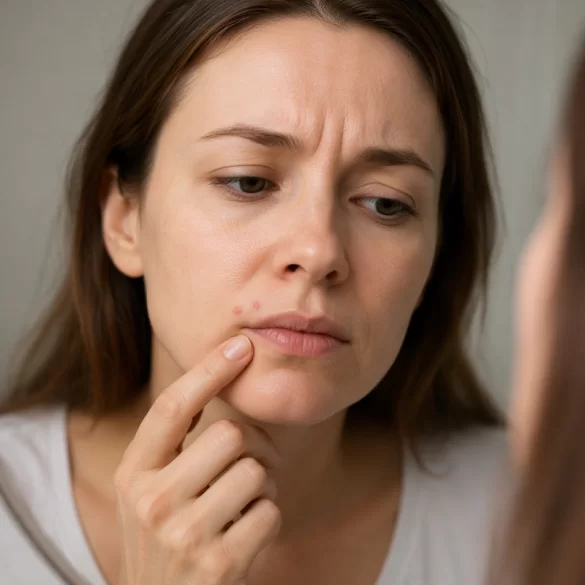
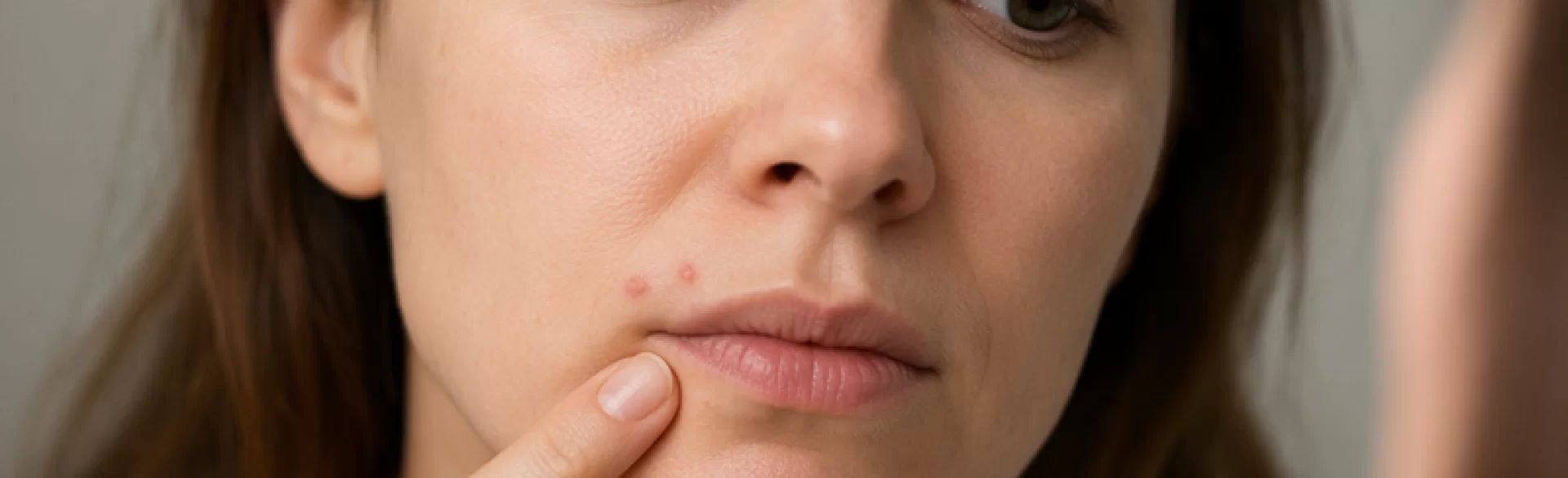
Pustules near the mouth are skin lesions located within the perioral area, which can have a varied etiology – from mild acne lesions, through folliculitis, to chronic dermatoses such as perioral dermatitis (dermatitis perioralis). Due to the particular sensitivity of this area as well as rich vascularization and innervation, these lesions often cause aesthetic and physical discomfort. Their clinical characteristics include papules, pustules, erythema, and sometimes epidermal scaling. Proper differential diagnosis is of key importance, as the causes of the lesions can significantly influence the choice of effective therapy.
Pimples near the mouth – what from
The etiology of pustules in the perioral area is multifactorial and includes both endogenous and environmental factors. One of the most common causes is acne vulgaris, associated with excessive sebum production, keratinization disorders, and colonization by Cutibacterium acnes bacteria. In this location, lesions are often inflammatory in nature.
An important clinical entity is also perioral dermatitis, which manifests as small papules and pustules on an erythematous base. This condition often develops as a result of:
- the use of topical glucocorticosteroids,
- excessive use of occlusive cosmetics,
- disorders of the skin's hydrolipid barrier.
Other causes include:
- allergic reactions and contact dermatitis (e.g., to ingredients in toothpastes, cosmetics, lipsticks),
- bacterial or viral infections (e.g., herpes labialis caused by the HSV-1 virus),
- hormonal disorders – especially in women (androgenization),
- mechanical factors – friction, touching the face, wearing protective masks,
- a high-glycemic diet and an excess of dairy products.
In clinical practice, the coexistence of several factors is often observed, which makes it difficult to clearly determine the cause without a thorough history and dermatological examination.
Pimples around the mouth – how to get rid of them
Management of pustules around the mouth should be focused on the cause of their formation, rather than solely on the symptoms. Restoring the proper function of the epidermal barrier and reducing inflammatory factors is of key importance.
Basic skincare principles include:
- the use of mild cleansing products without harsh detergents (SLS, SLES),
- avoiding comedogenic and highly occlusive cosmetics,
- limiting the number of products used (so-called “skin minimalism”),
- regular use of sunscreens (SPF),
- elimination of potential allergens (e.g., fragrances, menthol, fluoride in toothpaste - in selected cases).
Topical therapy involves the use of:
- retinoids - regulating the keratinization process,
- azelaic acid - with anti-inflammatory and antibacterial effects,
- topical antibiotics (e.g., metronidazole, erythromycin),
- calcineurin inhibitors - especially in perioral dermatitis.
It is worth emphasizing that manipulating the lesions (squeezing, irritating) increases the risk of secondary infections and the formation of post-inflammatory hyperpigmentation.
Pimples around the mouth – treatment
Treatment of pustules around the mouth should be comprehensive and – in the case of chronic or recurrent lesions – conducted under dermatological supervision. Depending on the diagnosis, topical or systemic therapy is used.
In pharmacological treatment, the following may be used:
- oral antibiotics (e.g., tetracyclines) – in the case of severe inflammatory lesions,
- hormonal medications – in female patients with an androgenic component,
- oral isotretinoin – in severe, resistant forms of acne,
- antiviral preparations – in the case of herpes.
Modern aesthetic dermatology also offers effective methods supporting treatment and skin regeneration:
- chemical peels (e.g., salicylic, mandelic, azelaic acid) – keratolytic and anti-inflammatory action,
- hydrogen purification and hydrodermabrasion – reduction of impurities and free radicals,
- oxygen infusion – improvement of skin oxygenation and regeneration,
- LED light therapy – antibacterial and sebum-regulating action,
- Geneo – multi-stage therapy combining exfoliation, oxygenation, and infusion of active ingredients.
The choice of therapy depends on the type of lesions, their severity, and the individual characteristics of the patient's skin. The prognosis is usually good, but it requires therapeutic consistency and the elimination of triggering factors.

