How to regenerate sun-damaged skin after vacation?
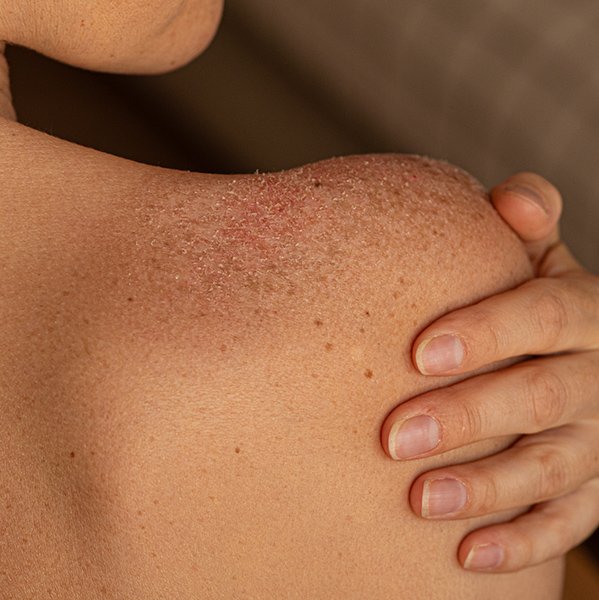
Skin regeneration after summer – where to start:
- UV damage – radiation breaks down collagen and elastin fibers and intensifies oxidative stress.
- Order of steps – soothing and hydration first, only then exfoliation and stronger active ingredients.
- Barrier restoration – ceramides, squalane, and other lipids retain water in the epidermis and relieve the feeling of tightness.
- Support from within – hydration, antioxidants, and omega-3 fatty acids support tissue repair processes.
Table of Contents
- How does the sun damage the skin during vacation?
- What to do when skin peels after tanning?
- How to rebuild the skin's protective barrier after summer?
- Panthenol, ceramides and niacinamide – regenerating ingredients
- When to start exfoliating the skin after tanning?
- Which in-office treatments will regenerate the skin after vacation?
- Water and antioxidants – skin regeneration from within
- Frequently asked questions about skin regeneration after vacation
How does the sun damage the skin during vacation?
The sun damages the skin during vacations, breaking down collagen and elastin fibers and increasing oxidative stress in cells. As a result, the complexion loses its firmness, and deep wrinkles form in areas of greatest tension. A tan is associated with a holiday glow, but for the body, it is an alarm signal.
Excessive exposure to UV radiation is associated with many risks:
- Collagen – destruction of the natural structure of supporting fibers.
- Wrinkles – the formation of deep furrows in areas of facial tension.
- Oxidative stress – increased production of free radicals in cells.
- Discoloration – permanent pigmentation spots and uneven skin tone.
- Blood vessels – weakening of the walls and persistent erythema.
- Skin lesions – increased risk of skin cancers.
Micro-damage accumulates in the tissues over years, which is why the daily use of SPF filters remains the simplest investment in long-term skin health.
What to do when skin peels after tanning?
When skin peels after sunbathing, the body gets rid of sun-damaged cells and paves the way for new tissue. The sight of peeling flakes can be irritating, but tearing them off yourself causes pain and exposes the epidermis to permanent scars.
Carry out your care routine during these days in the following order:
- Leave the epidermis alone – peeling flakes will come off on their own, and scratching exposes immature skin.
- Cool the irritated areas – cool compresses and chamomile infusion lower tissue temperature and soothe the burning sensation.
- Moisturize intensively – products rich in aloe soothe the epidermis and replenish water lost during sunbathing.
- Replenish lipids – fats lock water in the skin and prepare it for further reconstruction.
The protective barrier determines how much moisture remains in the epidermis, so rebuilding it is the goal for the first days after returning from vacation.
How to rebuild the skin's protective barrier after summer?
The skin's protective barrier after summer is restored in layers: first, lipids are replenished, then water is retained in them, and finally, the balance of the microbiome is restored. After bathing in salt water, the intercellular cement is thinned, so water evaporates from the epidermis faster than the skin can replenish it.
Restoration takes place in three layers. The first is formed by ceramides and squalane, which repair micro-damage to the epidermis, as well as plant oils with fatty acids. The next is built by trehalose and glycerol, which retain moisture inside tissues, and shea butter forming a protective film. Finally, prebiotics step in to restore the balance of the skin microbiome. Care selected in this way eliminates roughness and the feeling of tightness.
Panthenol, ceramides and niacinamide – regenerating ingredients
Regeneration is accelerated by substances with high bioavailability that soothe inflammation, rebuild the intercellular cement, and support cell renewal. Combine them wisely, as strong active ingredients on freshly irritated skin can bring the opposite effect.
In post-summer skincare, the following work especially well:
- Panthenol and allantoin – soothe inflammation and support the healing of the epidermis.
- Niacinamide – strengthens the protective barrier and helps eliminate sun-induced discoloration.
- Ceramides – accompanied by other lipids, rebuild the intercellular cement.
- Hyaluronic acid – binds water deep within the tissues, restoring the skin's elasticity.
- Retinol – repairs damage and stimulates collagen synthesis, but it should only return after the irritation has subsided.
- Peptides and exosomes – stimulate cells to work on tissue renewal.
When to start exfoliating the skin after tanning?
Skin exfoliation after sun exposure begins only when redness and irritation have completely subsided. Exfoliating heated, reddened epidermis deepens damage and sets hyperpigmentation, so this process cannot be rushed.
To start, gentle methods work best, such as enzymatic or cavitation peeling, which remove dead skin without disrupting the freshly rebuilt barrier. Acids are introduced later and one at a time: azelaic for discoloration, salicylic for clogged pores. Once the complexion regains its smoothness, it absorbs active ingredients from cosmetics better, so vitamin C serums, regenerating masks, and ceramides work more effectively.
Which in-office treatments will regenerate the skin after vacation?
After the summer holidays, the skin is regenerated in the clinic through treatments that reach deeper layers and work on hydration, hyperpigmentation, and collagen remodeling. Their selection depends on what dominates: dehydration, sun spots, or loss of firmness.
After the summer season, the most commonly considered treatments include:
- Hydro-cleansing – hydrodermabrasion removes the keratinized epidermis and hydrates, while OxyGeneo technology creates carbon dioxide microbubbles on the skin's surface that oxygenate it.
- Oxygen infusion – improves skin hydration and immunity after intense sun exposure.
- Needle mesotherapy – cocktails with hyaluronic acid, vitamins, peptides, and antioxidants stimulate repair processes.
- Microneedle radiofrequency – supports the renewal of skin with signs of photoaging and reduces sun damage.
- Platelet-rich plasma – accelerates regeneration, stimulates collagen and elastin production, and evens out the skin tone.
Photorejuvenation and lasers are sometimes considered for sun spots; however, they require waiting until the tan fades and the skin is no longer irritated.
Water and antioxidants – skin regeneration from within
Hydrating the body restores the skin's lost density and fuels natural tissue repair processes, so make sure to get at least two liters of water every day. Diet adds the nutrients that the epidermis needs after months of sun exposure.
It is worth basing the daily post-summer menu on several ingredients:
- Vitamin A – supports epidermal renewal and proper keratinization.
- Vitamins C and E – as antioxidants, they neutralize oxidative stress and stimulate collagen production.
- Beta-carotene – supports a healthy skin tone and protects cells from free radicals.
- Vitamin D3 – strengthens cellular immunity and the overall condition of tissues.
- Omega-3 fatty acids – soothe inflammation and rebuild the skin's lipid barrier.
Regularity is more important here than single intensive treatments, and before the next season, the skin is protected primarily by sunscreen.
A free consultation takes only a moment and saves an entire season of guessing whether the skin lacks water or collagen – we invite you!
Frequently asked questions about skin regeneration after vacation
How long does skin regeneration take after vacation?
Skin regeneration after vacation takes from a few weeks to several months, as the epidermis renews itself on average once every four weeks. The effects of moisturizing are visible the fastest, while discoloration and laxity subside gradually.
Can you use retinol after tanning?
Retinol is reintroduced to the skincare routine after erythema, peeling, and burning subside, as it intensifies the inflammatory reaction on irritated epidermis. The concentration is increased gradually, and the product is discontinued for at least four weeks before laser treatments.
What is the difference between dehydrated and dry skin after summer?
Dehydrated skin lacks water and can be tight despite an oily surface, while dry skin lacks lipids and reacts with roughness. The former is helped by humectants on the label: hyaluronic acid and glycerin, the latter by ceramides and plant oils.
Do sun spots disappear on their own?
Sun discolorations fade on their own only partially and return with subsequent exposure, because melanocytes react more strongly in these areas. Year-round sunscreen protection limits recurrences, and evening out skin tone requires skincare with niacinamide or a treatment.

