Discolorations on the body
back to main page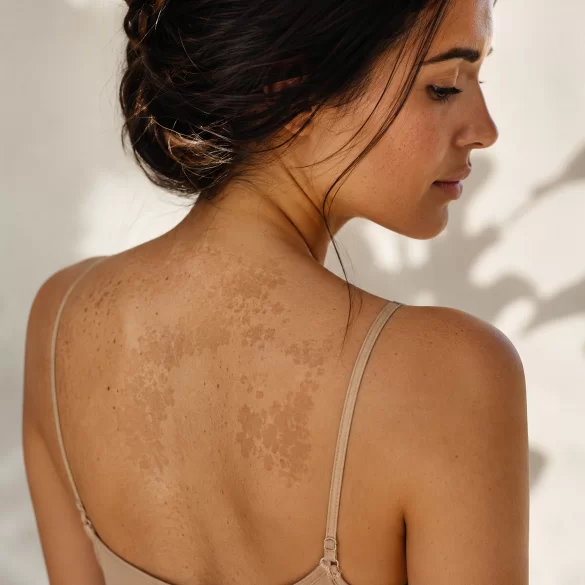
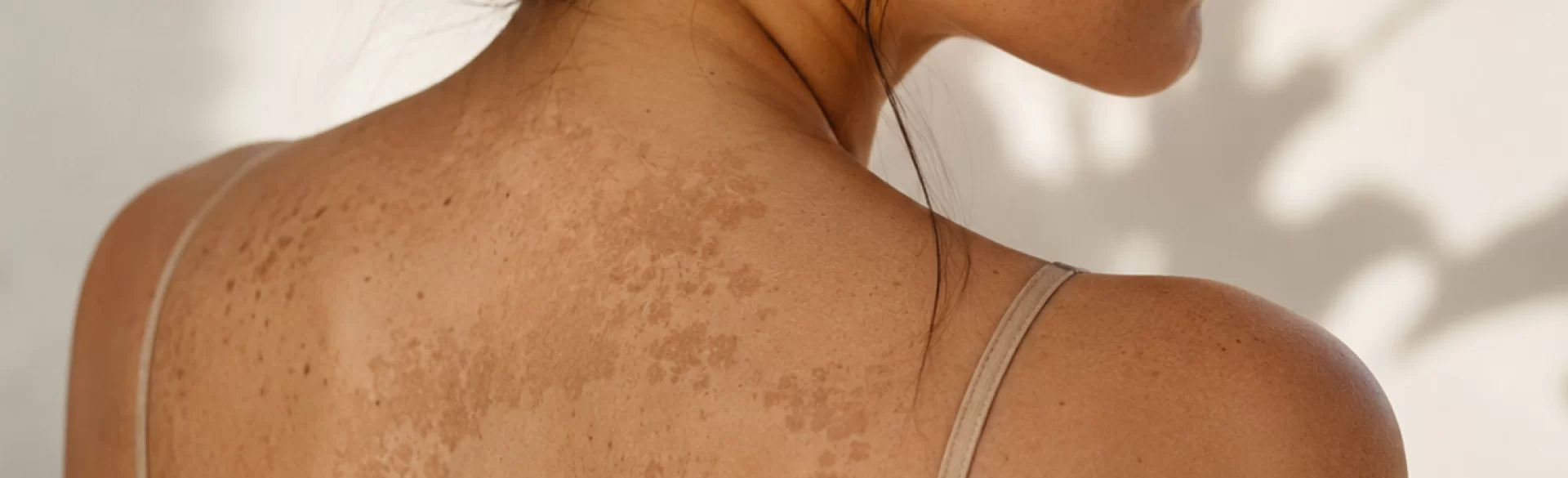
Discolorations on the body are localized skin pigmentation disorders resulting from excessive or uneven accumulation of melanin – a natural pigment produced by melanocytes. They can take the form of small spots, extensive lesions of irregular shape, or darker areas of the skin appearing after inflammation, exposure to UV radiation, hormonal disorders, or mechanical injuries. Pigmentary changes occur in both women and men, and their intensity often increases with age and the accumulation of sun damage. Discolorations on the body differ in etiology, depth, and response to treatment, which is why proper dermatological diagnostics constitutes the basis of effective therapy and prevention of recurrence.
Discoloration on the body - causes
The mechanism of discoloration formation is associated with the overproduction of melanin or abnormal distribution of pigment in the epidermis and dermis. Most often, this process is triggered by chronic exposure to ultraviolet radiation, which stimulates melanocyte activity and increases oxidative stress in skin cells.
The most important causes of body discoloration include:
- UV radiation – both natural and emitted by tanning beds,
- skin inflammation – acne, atopic dermatitis, psoriasis, folliculitis,
- mechanical and thermal injuries – abrasions, burns, irritating procedures,
- hormonal disorders – pregnancy, hormonal contraception, thyroid diseases,
- phototoxicity and photoallergy – reactions to medications, perfumes or herbs that increase sensitivity to light,
- skin aging process,
- genetic predisposition,
- metabolic and systemic diseases.
Post-inflammatory hyperpigmentation (PIH – post-inflammatory hyperpigmentation) is of particular importance, developing after skin damage and being more common in individuals with a darker phototype. In clinical practice, discoloration resulting from chronic skin irritation is also observed, e.g. after depilation, intense friction or poorly selected cosmetic procedures.
It is worth emphasizing that not every pigmentation change is purely aesthetic in nature. Some irregular or rapidly changing discolorations require dermatoscopic diagnostics for neoplastic skin lesions, including melanoma.
Discolorations on the body - types
Skin discolorations are classified according to their cause, the depth of melanin deposition, and the clinical presentation. Identifying the type of lesion is of significant importance for the choice of therapy, as individual types of discoloration respond differently to laser treatment, chemical peels, or depigmentation therapies.
The most common types of discoloration on the body include:
Sun discoloration
Also known as lentigines or age spots. They develop as a result of years of exposure to UV radiation. They are most commonly located on the shoulders, décolletage, hands, and back. Their color ranges from light brown to dark brown.
Post-inflammatory hyperpigmentation
They develop after skin inflammation or injuries. They can persist for many months, or even years. They often occur after:
- back acne,
- folliculitis,
- burns,
- aggressive cosmetological treatments.
Melasma (chloasma)
Although it more commonly appears on the face, it can also affect the body, especially the forearms or décolletage. It is closely linked to hormones and sun exposure.
Drug-induced discoloration
Some active substances increase skin photosensitivity or directly affect melanin metabolism. Changes may occur after:
- tetracyclines,
- retinoids,
- hormonal drugs,
- non-steroidal anti-inflammatory drugs.
Age-related discolorations
Skin aging leads to cellular regeneration disorders and uneven distribution of melanocytes. These types of changes often coexist with a loss of firmness and damage to collagen fibers.
In aesthetic dermatology, the division into the following is also of great importance:
- epidermal hyperpigmentation – shallower, responding better to treatment,
- dermal and mixed hyperpigmentation – deeper, more difficult therapeutically and more prone to recurrence.
Body discolorations - location
The location of discoloration often provides information regarding its cause and the mechanism of its formation. The changes appear primarily in places particularly exposed to UV radiation, chronic irritation, or inflammation.
The most common areas where discoloration occurs on the body are:
Location | Characteristic causes |
|---|---|
Decolletage | photoaging, UV radiation |
Shoulders and forearms | sun exposure |
Back | acne, folliculitis |
Armpits and groin | friction, hormonal disorders |
Hands | skin aging, UV radiation |
Legs | inflammation, hair removal, vascular disorders |
Discoloration in the armpits, groin, or the back of the neck can sometimes coexist with metabolic disorders, insulin resistance, or obesity. On the other hand, darker spots on the lower legs are sometimes associated with chronic venous insufficiency and the deposition of hemosiderin – a pigment resulting from the breakdown of blood.
Modern dermatology and aesthetic medicine use many methods to reduce body discoloration. The choice of therapy depends on the type of lesions, their depth, and the patient's skin phototype. These include, among others:
- chemical peels,
- laser therapies,
- IPL light,
- depigmenting preparations,
- mesotherapy,
- skin regenerating treatments.
The treatment of pigmentary lesions also utilizes procedures available at the Ambasada Urody Clinic & SPA, such as laser therapy for discoloration, medical peels, photorejuvenation treatments, or therapies supporting skin regeneration and evening out skin tone.
Discoloration on the body and discoloration on the face - differences
Although the mechanism of discoloration formation on the face and body is similar, there are significant differences regarding skin biology, the course of therapy, and response to treatment.
Facial skin:
- is thinner,
- has a larger number of sebaceous glands,
- is more frequently exposed to environmental factors,
- shows a more intense inflammatory response.
In contrast, body skin:
- tends to be thicker and more mechanically resistant,
- regenerates more slowly in certain areas,
- more frequently develops post-inflammatory discoloration after injuries and procedures,
- may require stronger therapeutic parameters.
A significant difference also remains the issue of chronic friction of body skin, which intensifies inflammation and stimulates melanogenesis. In the case of the face, however, photoaging and the influence of hormones play a dominant role.
Treating discoloration on the body often requires more patience than treating lesions on the face. The skin of the trunk, back, or limbs is characterized by a slower cellular metabolism, which is why the effects of therapy develop gradually. At the same time, the body is more susceptible to the recurrence of discoloration after sun exposure or recurrent inflammation.
A key element in the prevention of all types of discoloration remains:
- daily photoprotection,
- limiting UV exposure,
- proper care of the hydrolipid barrier,
- prompt treatment of skin inflammation,
- individually selected dermatological therapy.

