Itchy bumps on the body
back to main page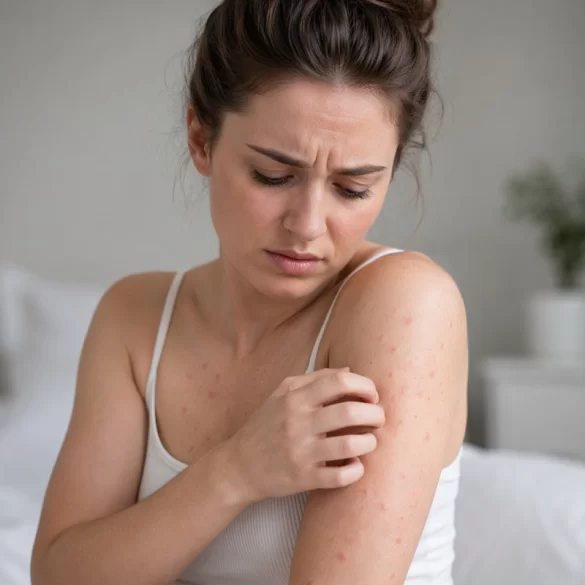
Itchy pustules on the body are non-specific skin lesions in the form of papules, vesicles, or pustules, accompanied by itching of varying intensity. This symptom may have a dermatological, allergic, infectious, or systemic basis; therefore, it requires precise differential diagnosis. Itching (pruritus) is the result of stimulation of nerve endings in the skin, often in response to inflammatory mediators such as histamine. The nature of the lesions and their location provide important diagnostic clues; however, in many cases, it is necessary to consider a broad clinical context, including chronic diseases, environmental factors, and the patient's lifestyle.
Itchy bumps on the body – causes
The etiology of itchy pustules on the body is complex and involves many disease entities and pathophysiological mechanisms. The most common causes include:
1. Dermatological diseases:
- Atopic dermatitis (AD) – a chronic inflammatory condition associated with epidermal barrier dysfunction and immune hyperreactivity
- Urticaria (hives) – a histamine-mediated hypersensitivity reaction
- Scabies (Sarcoptes scabiei) – a parasitic infection causing intense itching, worsening at night
- Folliculitis – often bacterial or fungal
2. Allergic and contact reactions:
- contact allergy (e.g., to cosmetics, detergents, metals),
- drug reactions,
- food hypersensitivity.
3. Infections:
- viral (e.g., chickenpox, shingles),
- bacterial (e.g., impetigo),
- fungal (dermatophytoses).
4. Systemic factors:
- liver diseases (e.g., cholestasis),
- renal failure,
- hormonal disorders (e.g., hyperthyroidism).
5. Environmental and lifestyle factors:
- excessive sweating,
- overheating of the skin,
- psychological stress, which intensifies the perception of itching.
Also of significant importance is skin dysbiosis, i.e., an imbalance of the microbiome, which promotes chronic inflammation and superinfections.
Itchy spots on the body – symptoms
The clinical presentation of itchy pustules is variable and depends on the etiology. Lesions may take various morphological forms:
- papules – elevated, firm lesions,
- vesicles – filled with serous fluid,
- pustules – containing purulent content,
- wheals – characteristic of allergic reactions.
Pruritus can have various intensities:
- from mild discomfort,
- to intense, persistent itching leading to insomnia and deterioration of quality of life.
Characteristic accompanying features:
- skin redness (erythema),
- dryness and scaling,
- excoriations (skin damage resulting from scratching),
- secondary bacterial infections.
In diagnostics, the localization of lesions is also important:
- interdigital spaces and wrists – suggest scabies,
- trunk and limbs – common in allergies and AD,
- hairy areas – may indicate folliculitis.
Chronic pruritus leads to the itch–scratch cycle phenomenon, in which skin damage intensifies inflammation and exacerbates symptoms.
Itchy bumps on the body – home remedies
Home management can support therapy, especially in mild cases or as an element of recurrence prevention. Rebuilding the skin barrier and reducing irritants is of key importance.
Basic recommendations:
- Regular use of emollients - oiling and moisturizing preparations limit transepidermal water loss (TEWL) and reduce itching
- Avoiding irritating cosmetics - especially products containing alcohol, SLS, and fragrances
- Short, lukewarm baths - with the addition of lipid or colloidal preparations (e.g., oatmeal)
- Wearing breathable clothing - preferably made of cotton
Itch-soothing substances:
- panthenol,
- allantoin,
- menthol (cooling effect),
- plant extracts (e.g., chamomile, calendula - with anti-inflammatory effects).
Important limitations:
Home methods are supportive and do not eliminate the cause of the disease. In the case of severe symptoms or their chronic nature, specialist diagnostics are necessary.
Itchy bumps on the body – treatment
Treatment of itchy pustules on the body requires a causative and symptomatic approach. Therapy is selected individually, depending on the diagnosis.
1. Pharmacological treatment:
- antihistamines – reduce itching in allergic reactions,
- topical glucocorticosteroids – anti-inflammatory and immunosuppressive effect,
- antibiotics or antifungal drugs – in case of secondary infections,
- calcineurin inhibitors (tacrolimus, pimecrolimus) – used in AD.
2. Causative treatment:
- elimination of the allergen,
- treatment of systemic diseases,
- therapy for parasitic infections (e.g., permethrin in scabies).
3. Modern supporting methods:
In the practice of aesthetic dermatology, procedures supporting skin regeneration and the reduction of inflammation are also used:
- hydrogen cleansing (hydrodermabrasion) – deep cleansing of pores and antioxidant effect,
- Geneo – combines exfoliation, oxygenation, and nourishment of the skin, supporting its regeneration,
- LED light therapies – anti-inflammatory and bactericidal effect, especially in acne lesions,
- mesotherapy – delivery of active substances supporting the reconstruction of the skin barrier.
4. Prognosis:
The prognosis depends on the cause:
- in the case of contact allergies – very good after elimination of the triggering factor,
- in chronic diseases (e.g., AD) – possible periods of remission and recurrence,
- in infections – usually rapid improvement after starting treatment.
Factors worsening the course:
- scratching the lesions,
- exposure to irritants,
- lack of systematic care,
- stress.

