Pustules on the face
back to main page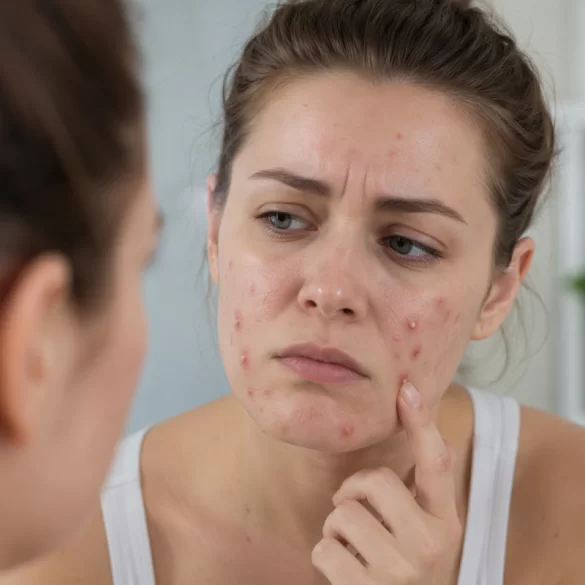
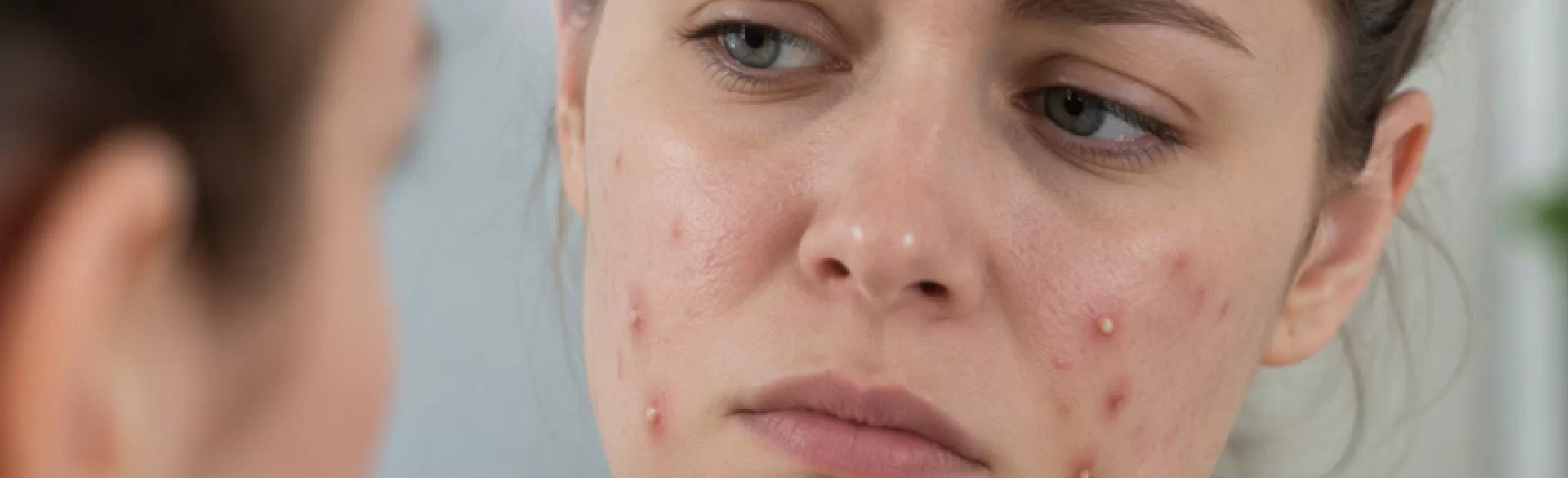
Pustules on the face (pustular lesions, pustules) represent one form of inflammatory skin lesions, most commonly associated with acne vulgaris (acne vulgaris), but they can also accompany other dermatoses of infectious or inflammatory origin. They are characterized by the presence of raised skin lesions filled with purulent content, resulting from an inflammatory reaction and immune system activity against microorganisms or blocked sebaceous glands. These lesions can occur individually or in clusters, often leaving behind post-inflammatory hyperpigmentation or scars, making them a significant dermatological and aesthetic problem.
Pustules on the face – causes
The pathogenesis of pustules on the face is multifactorial and involves the interplay of keratinization disorders, sebum overproduction, bacterial colonization, and an inflammatory response.
The most important etiological factors include:
1. Sebum overproduction (seborrhea)
Sebaceous glands produce an excessive amount of sebum, which leads to the clogging of hair follicle openings and creates an environment conducive to bacterial proliferation.
2. Keratinization disorders (hyperkeratosis)
Abnormal shedding of keratinocytes causes the formation of keratin plugs, which block the sebaceous gland openings.
3. Cutibacterium acnes bacteria
These microorganisms colonize hair follicles and initiate inflammation through the activation of the immune response.
4. Hormonal factors
Androgens (e.g., testosterone) increase the activity of sebaceous glands, which explains the exacerbation of lesions during puberty, the menstrual cycle, or endocrine disorders.
5. External factors and lifestyle
- high glycemic index diet,
- chronic stress (impact on the neuroendocrine axis),
- improper skin care (comedogenic cosmetics),
- environmental pollution.
6. Other dermatological causes
- folliculitis,
- rosacea (papulopustular form),
- bacterial or fungal infections.
Pustules on the face – home remedies
Home management can support dermatological therapy, but its effectiveness remains limited and requires caution to avoid aggravating inflammation.
Basic skin care principles:
- gentle skin cleansing – preparations with physiological pH, without harsh detergents,
- avoiding mechanical damage to lesions – manipulating pustules increases the risk of scarring and secondary infections,
- using substances with anti-inflammatory and antibacterial properties.
Most commonly used active ingredients in home settings:
- salicylic acid (BHA) – has keratolytic and sebum-regulating effects,
- niacinamide (vitamin B3) – exhibits anti-inflammatory and seborrhoea-reducing properties,
- tea tree oil – antibacterial properties (spot application),
- zinc – supports healing processes and reduces inflammation.
Lifestyle elements of therapeutic importance:
- low glycemic index diet,
- reduction in the consumption of highly processed products,
- proper sleep hygiene and stress reduction.
It should be emphasized that so-called “home methods” do not eliminate the cause of the problem, and their role is limited to supporting therapy and alleviating symptoms. In the case of severe inflammatory lesions, dermatological consultation remains recommended.
Pustules on the face – treatment
Treatment of purulent pustules on the face depends on their etiology, severity, and the presence of accompanying lesions (e.g., comedones, cysts, scars). Therapy should be causative and tailored individually.
1. Pharmacological (dermatological) treatment
- topical retinoids (e.g., adapalene, tretinoin) – normalization of keratinization,
- topical and systemic antibiotics – reduction of bacteria and inflammation,
- benzoyl peroxide – bactericidal effect,
- azelaic acid – anti-inflammatory and depigmenting properties,
- hormone therapy – in cases related to androgen disorders,
- oral isotretinoin – in severe, resistant forms of acne.
2. Dermatological and aesthetic procedures
In clinical practice, treatments supporting the treatment of inflammatory lesions are of increasing importance:
- chemical peels (AHA, BHA, PHA acids) – exfoliation and unclogging of pores,
- manual cleansing and hydradermabrasion – removal of impurities and excess sebum,
- LED light therapy – antibacterial and anti-inflammatory effect,
- non-ablative laser therapy – reduction of inflammation and improvement of skin structure,
- oxygen infusion – supporting skin regeneration and oxygenation.
3. Management of complicated lesions
In the case of a tendency towards scarring or post-inflammatory hyperpigmentation, the following are implemented:
- laser therapy,
- microneedling (microneedle mesotherapy),
- depigmenting preparations.
The complexity of therapy is of key importance, covering both the treatment of active lesions and the prevention of relapses, as well as minimizing aesthetic consequences.

