Cracking nails
back to main page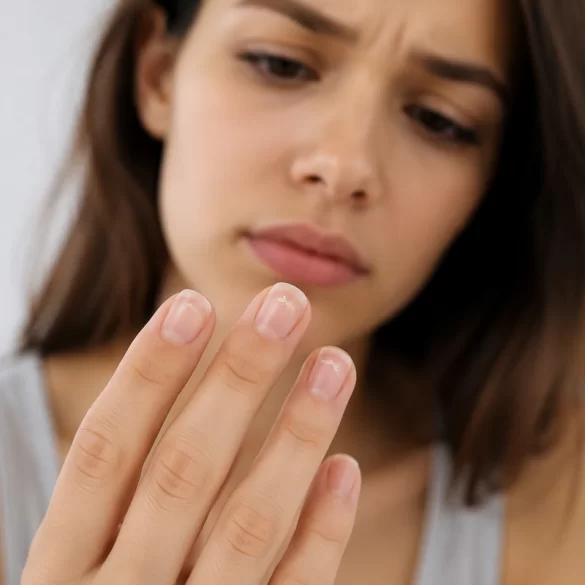
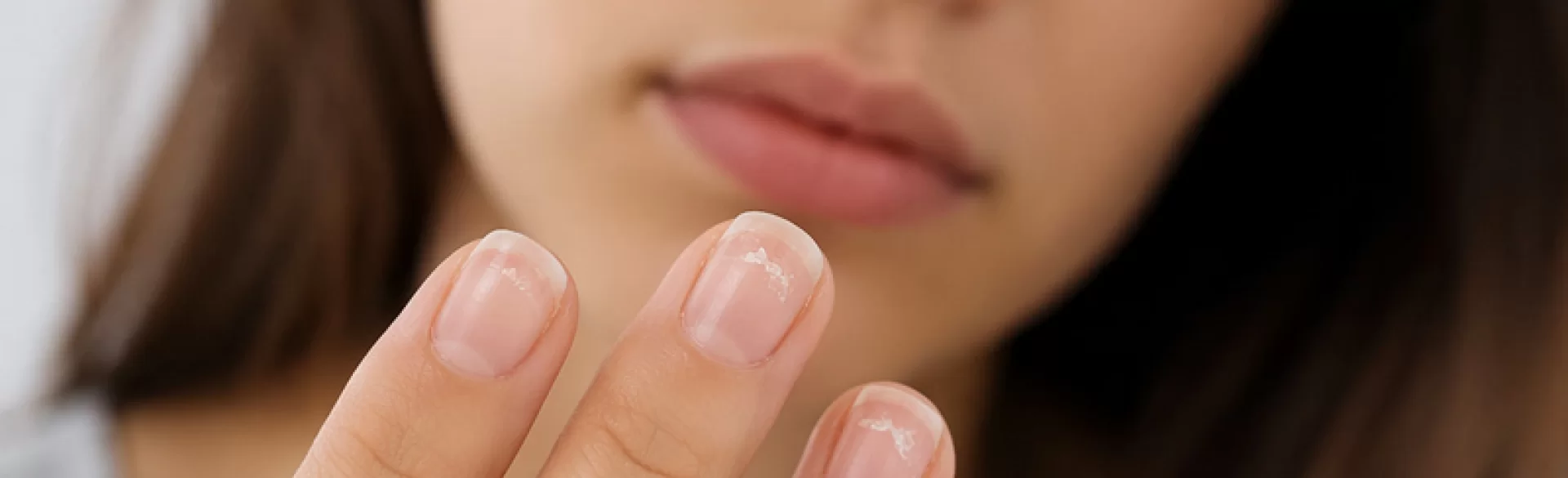
Cracked nails (onychoschizia and onychorrhexis) are a common dermatological problem, characterized by brittleness, splitting, and the formation of fissures within the nail plate. This disorder can be superficial or deep, involving various layers of keratin that make up the nail. Nail cracking can be the result of both external factors (mechanical, chemical) and systemic disorders, including nutritional deficiencies or dermatological diseases. In clinical practice, this condition is regarded as a symptom rather than a disease entity; therefore, diagnostics should consider a wide spectrum of possible causes.
Cracked nails – causes
The etiology of cracking nails is multifactorial and includes both local and systemic factors. A key role is played by the disruption of the keratin structure – the protein that builds the nail plate.
The most common causes include:
External factors:
- chronic exposure to water (frequent soaking of hands),
- contact with detergents and chemical substances,
- mechanical microtraumas (e.g., nail styling, hybrid manicure),
- improper care (filing in various directions, overly aggressive preparation of the plate).
Internal factors:
- nutritional deficiencies:
- iron,
- zinc,
- biotin,
- B vitamins,
- hormonal disorders (e.g., hypothyroidism),
- dermatological diseases (psoriasis, lichen planus),
- systemic diseases (anemia, peripheral circulatory disorders).
At the molecular level, there is a weakening of intercellular bonds within keratinocytes, which results in reduced mechanical resistance of the plate and its susceptibility to damage.
Cracking nails – types
Nail cracking can take various clinical forms that help determine the cause and severity of the problem.
Basic types of nail plate damage:
- Onychoschizia (horizontal splitting)
- separation of nail layers along its surface,
- most often affects the free edge of the plate,
- typically associated with external factors.
- Onychorrhexis (longitudinal cracks)
- presence of vertical grooves and fissures,
- may reach deep layers of the plate,
- often associated with aging processes or systemic diseases.
- Transverse cracks (Beau's lines)
- grooves running across the nail,
- indicate a temporary inhibition of plate growth,
- may occur after general illnesses or injuries.
- Deep fissures and splitting of the plate
- advanced form of damage,
- may lead to pain and secondary infections.
Differentiating these forms has diagnostic and therapeutic significance, as it allows for the identification of the dominant etiological factor.
Brittle nails – home remedies
Home care is an essential element of supportive therapy, especially in cases with an environmental basis. Rebuilding the lipid barrier and limiting exposure to damaging factors is of key importance.
Recommended actions:
- Regular lubrication of the nail plate and nail folds
(vegetable oils, e.g., argan oil, castor oil),
- Use of regenerating products containing:
- keratin,
- ceramides,
- vitamin E,
- Hand protection:
- using protective gloves during housework,
- Proper mechanical care:
- filing in one direction,
- avoiding metal files,
- Limiting chemical styling (hybrids, gels) during the regeneration period.
It is worth emphasizing that the effectiveness of home methods depends on consistency and the elimination of the causative factor. In the case of persistent symptoms, specialist diagnostics are necessary.
What for splitting nails
Treatment of brittle nails should be causal and aimed at rebuilding the structure of the nail plate and improving its growth. Depending on the etiology, both systemic and local therapy, as well as specialized procedures, are used.
Medical management includes:
- Supplementation of deficiencies:
- biotin (effect on keratin synthesis),
- iron (in case of anemia),
- zinc and silicon,
- Treatment of comorbid diseases
(e.g., thyroid diseases, inflammatory dermatoses),
- Dermatological preparations:
- strengthening lacquers with hydroxypropyl chitosan,
- preparations with urea and silicones.
Treatments used in aesthetic medicine and dermatology:
- needle mesotherapy of the hands and nail areas
- delivers nutrients directly to the nail matrix,
- platelet-rich plasma (PRP)
- stimulates cellular regeneration and improves the quality of the plate,
- regenerative hand treatments (e.g., using radiofrequency technology)
- improve microcirculation and tissue nutrition.
Prognosis is usually good, however, full nail restoration takes time - on average from 4 to 6 months for fingernails, and up to 12 months for toenails. The effectiveness of therapy depends on the identification and elimination of the cause and the consistency of treatment.

